Metal Roof or Architectural Shingles? Choosing the Right Roof for Gulf Coast Weather
Quick Answer: Metal roofing and architectural shingles both hold up in Gulf Coast weather, but they get there differently. Standing seam metal systems typically carry wind ratings well above what architectural shingles achieve, resist salt-air corrosion better with the right coating, and reflect heat instead of absorbing it, often lasting 40 to 70 years. Architectural shingles cost less upfront, blend into traditional neighborhood rooflines, and still perform well in wind zones common along the North Shore when installed with proper nailing and underlayment, typically lasting 20 to 30 years. The right choice comes down to how long you plan to own the home, how exposed your roofline is to open water and wind, and how much you value decades-long durability over a familiar shingle look.
By early afternoon in a Louisiana July, a dark asphalt roof can climb well past 160 degrees on its surface. Hot enough to soften underfoot. Hot enough to keep radiating that heat down into the attic long after the sun drops behind the tree line. A few months later, that same roof deck takes a sideways beating from wind-driven rain when a tropical system spins up in the Gulf and tracks toward the North Shore. Your roof handles that yearly cycle of heat, humidity, and wind differently depending on what it's made of, and the difference between metal and architectural shingles isn't just how they look. It shows up in how long the roof lasts, how much heat pushes into your living space, and how the seams and fasteners hold once wind speeds start climbing.
How Each Material Handles Gulf Coast Wind
Wind is the test that matters most for a roof sitting this close to the water. Architectural shingles, installed correctly with the right nailing pattern and a compatible underlayment, commonly carry wind ratings between 110 and 130 mph. That covers a lot of storm activity. But a shingle's performance depends heavily on how well each tab is sealed and fastened, because a single lifted edge gives wind a place to grab and start peeling the shingles around it.
Standing seam metal works on a different principle entirely. Instead of relying on sealant strips and exposed nails, the panels interlock along raised, concealed-fastener seams that lock adjoining sections together across the whole roof plane. That interlocking design typically pushes wind ratings well above what shingles reach, often into the 140 to 150 mph range or higher, depending on panel gauge, seam profile, and how tightly the clips get spaced during installation. The panels behave more like one continuous surface than a collection of separate pieces, so wind has fewer starting points to work loose.
Neither material walks away untouched from a direct hurricane-force hit. But the way each one fails is different. Shingles tend to lose individual tabs first, exposing bare underlayment in patches. Metal panels are more likely to hold their seal across the field of the roof, with any damage concentrated at edges, ridges, and penetrations.
Salt Air, Humidity, and the Corrosion Question
Communities along Lake Pontchartrain's North Shore, and the towns closer to the Rigolets and the Gulf side, deal with a steady drift of salt-laden moisture in the air. That moisture interacts with roofing materials in very different ways depending on what they're built from.
Asphalt shingles are a petroleum-based mat coated in mineral granules. Salt air itself doesn't corrode them the way it corrodes bare metal, but constant humidity, UV exposure, and heat cycling working together speed up granule loss and make the mat more brittle over time. Once those granules wash away, the asphalt underneath loses its UV shield and ages faster than it would somewhere drier and cooler.
Metal roofing carries a different risk. Bare steel would rust through fast in this environment, which is exactly why quality coastal-grade systems use galvanized or aluminum-zinc coated steel with a baked-on finish built specifically to resist salt spray and humidity. The coating does the real work, not the base metal underneath it. How well the seams and cut edges get protected during installation matters as much as the metal itself.
Warning: Mixing incompatible metals on the same roof system, like certain fastener types set against a dissimilar panel alloy, can trigger galvanic corrosion that eats through a panel or fastener years ahead of schedule. It's worth asking about directly if you're comparing metal roofing quotes. This is an installation detail, not a flaw in the material.
Heat, Attic Temperatures, and Cooling Load
Louisiana summers put a different kind of stress on a roof than wind does, and it happens every single day instead of during isolated storm events. Dark asphalt shingles soak up a large share of the sun's radiant heat and hold onto it, transferring warmth into the attic space below through the afternoon and into the evening. That trapped heat works against your cooling system, and over the years it ages the shingle from below just as much as sun exposure ages it from above.
Metal roofing reflects far more of that solar radiation instead of absorbing it, and finishes built with reflective pigments push that advantage further. Less heat gets into the attic in the first place, which eases the load on your cooling system during the months it's already running close to nonstop. Standing seam systems also typically create a small airspace between the panel and the deck, adding a layer of insulation against radiant heat that shingles, installed flush against the deck, simply don't have.
Tip: Whichever material you pick, attic ventilation is doing at least as much work as the roofing surface itself. A well-vented attic lets trapped heat and moisture escape instead of cooking the underside of the deck, and that matters even more with a reflective metal finish. You want that reflectivity working with your ventilation, not fighting a sealed, stagnant attic above your ceiling.
Lifespan: What Decades of Coastal Weather Actually Produce
Manufacturer numbers only tell part of the story. Real-world lifespan in a hot, humid, storm-exposed climate almost always lands below the ideal figures quoted for milder parts of the country. Quality architectural shingles are commonly rated for 20 to 30 years, and North Shore homes that stay on top of attic ventilation and small repairs tend to land in that range instead of falling short of it. Their layered, dimensional construction resists wind and wear noticeably better than the older three-tab profiles it replaced, which is a big part of why it's become the standard for most reroofing projects in the area.
A properly installed metal roof is built around a much longer window. Often 40 to 70 years, with minimal maintenance beyond periodic checks of seams, fasteners, and flashing points. That longer lifespan is the real argument for metal: you're likely reroofing an architectural shingle roof at least once, sometimes twice, over the same stretch of years that a single metal roof installation can cover.
Noise, Appearance, and Everyday Livability
A modern metal roof, installed over solid decking with proper underlayment and insulation, isn't the loud, drumming surface people remember from old barns and open-frame outbuildings. That reputation comes from bare metal fastened directly over open rafters with nothing between the panel and the room below it. A correctly built residential system dampens rain noise down to something close to what you'd hear on a shingle roof. Plenty of homeowners actually like the sound of steady rain on a well-built metal roof rather than finding it disruptive.
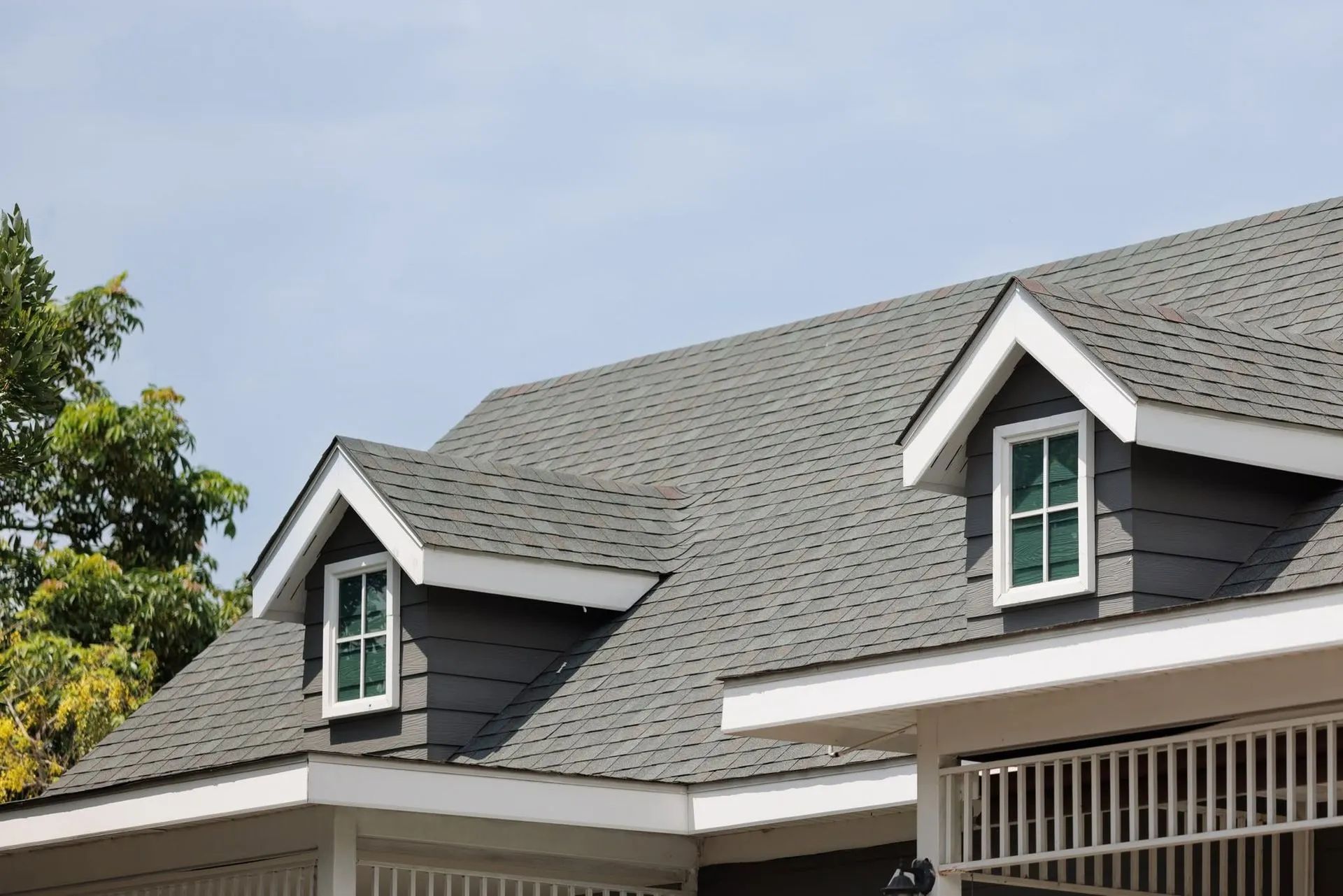
Appearance is where the two materials pull apart more. Architectural shingles come in dimensional profiles and a broad color range that blend naturally into older, traditional North Shore streetscapes. Metal roofing, whether in standing seam, metal shingle profiles shaped to mimic traditional roofing, or stone-coated steel panels, reads as more of a statement. A growing number of homeowners are choosing it specifically for that look, on top of the performance behind it.
Which Roof Fits Your Home
The decision usually comes down to three practical questions instead of one universal answer. How long do you expect to stay in the home? How exposed is your roofline to open water, prevailing wind, and salt drift? And how much weight do you put on decades of low-maintenance performance versus a lower upfront commitment paired with a familiar look?
A home close to the lake, or out toward the more exposed North Shore communities where wind and salt run heavier, tends to get the most out of what standing seam or coated steel panels offer in wind and corrosion resistance. A home further inland, in a more sheltered setting, or one where the owner plans a shorter hold, often gets excellent, reliable service from a properly installed architectural shingle roof without needing to stretch for metal's longer lifespan.
Roof pitch, structural framing, and the condition of your existing deck all factor into which systems are even viable for your specific home. That's why a physical inspection tells you more than any general comparison ever will.
Frequently Asked Questions
Does hail affect metal roofing and architectural shingles differently?
Yes. Architectural shingles may lose granules or develop bruising from hail, while metal roofing generally resists structural damage better, although larger hailstones can leave cosmetic dents on certain metal panels.
Can a metal roof be installed directly over existing shingles?
Sometimes. Metal roofing can be installed over existing shingles when the roof deck and structure are sound. However, removing old shingles may provide better access for inspection and necessary repairs.
Does roof color matter more in a hot, humid climate like this one?
Yes. Lighter, reflective roof colors absorb less solar heat than darker options, helping reduce attic temperatures and cooling demands during long, hot, humid Gulf Coast summers while supporting indoor comfort.
How does humidity affect the roofing installation process itself?
High humidity can slow curing for roofing sealants, adhesives, and underlayments while affecting shingle bonding. Experienced installers consider weather conditions carefully to promote proper adhesion and reliable long-term roof performance.
Does roof pitch change which material makes more sense?
Yes. Roof pitch influences material suitability and installation requirements. Steeper roofs generally accommodate metal or shingles, while low-slope sections may require specialized roofing systems designed specifically for effective water drainage.
Is storm damage repair more involved on one material than the other?
Repair methods differ. Damaged shingles can often be replaced individually, while metal roofing repairs may involve panels, seams, or flashing. Matching an existing metal profile and finish can require additional planning.
Choosing a Roof Built for Gulf Weather
Both metal roofing and architectural shingles can perform reliably in Lacombe, Louisiana, when the system matches the home’s exposure, roof design, and long-term needs. Architectural shingles provide a familiar appearance and dependable protection at a lower initial cost, while metal roofing offers greater longevity, strong wind resistance, and improved heat reflectivity. With 55 years of experience, Bruce Harris Roofing & Repairs understands how Gulf Coast heat, humidity, salt air, and severe storms influence roofing performance over time.
The best choice ultimately depends on how long you plan to remain in the home and what level of maintenance and replacement you expect over the years. A sheltered property may get decades of dependable service from quality architectural shingles, while a more exposed roofline may benefit from metal’s added durability. Looking beyond upfront price and considering wind exposure, ventilation, roof pitch, energy performance, and expected lifespan makes it easier to choose a roofing material that remains practical for years ahead.